
Introduction
PBX systems remain the backbone of corporate communication. Calls get increasingly difficult to manage as the business grows. A good phone system is critical to connect staff without creating confusion or wasting time.
Private Branch Exchange System
A Private Branch Exchange System (PBX) is a private telephone system used within an organization. Rather than providing a direct line to each employee, calls are connected internally with one centralized system. Therefore, depending on the size of the organization, staff can make internal calls for free while managing fewer physical lines for outward calls.
Why Offices Need PBX Systems
Modern offices juggle calls, transfers, and voicemail daily. Without a proper system, this quickly turns messy. Therefore, PBX systems solve the problem by centralizing everything into one manageable platform, so calls route automatically and extensions work smoothly across departments.
Organizational Needs
With daily office activities that include calls, transfers, and voicemail, a failure in organization results in anarchy. PBX systems decline voicemail to an art, thus centralizing the calling system.
Fewer Missed Calls
A business gains value in the professionalism customers perceive by the way it handles calls. A PBX system will automatically route calls to staff thereby eliminating the need to continuously ring, while systems such as call queuing allow customers to wait politely.
Communication Savings
PBX systems afford organizations the ability to share lines among employees thereby enhancing cost savings. Further, PBX systems are designed to handle high call volumes. The net result is a powerful business phone system at a low cost.
Key Characteristics of a Good PBX System
Different PBX systems offer different functionalities. Some pack a lot of features, whereas others are bare, and the price distinction is often related to the software’s capabilities. Knowing what to watch out for in a PBX system will help you decide which one will sufficiently address the needs of your office.
Auto Attendant and Call Routing
An auto attendant is a system that welcomes incoming calls to your office. It then forwards the calls to a department based on the options that callers chose to interact with. Along with that, a PBX system should also be able to take into consideration the availability of employees to interact with the callers.
Mobile and Remote Access
Working outside your office has become the new normal for many people. For this reason, PBX systems that offer mobile apps or remote extensions are critical because employees can answer office calls from outside the office, minimizing the chances of a business missing a potential client.
 PBX systems
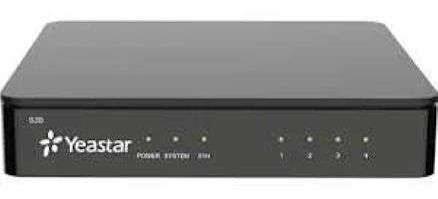
SMBs love Yeastar PBX solutions. Yeastar balances affordability and amazing call management features. It supports both legacy calling and VoIP, offering flexibility as an office makes the commitment to full VoIP.
Grandstream’s offering includes simple to use PBX software integrated with powerful hardware. It’s solutions cover the entire spectrum from simple call forwarding to full-blown conferencing. Grandstream’s integration with many popular IP Phones in Kenyan offices makes Grandstream a fantastic choice to many Kenyan businesses.
Offices that still maintain some legacy communications may need a system that combines both new digital systems with legacy technologies. Hybrid PBXs offer infrastructure that supports legacy communications while allowing offices to embrace more advanced VoIP technologies.
How to Choose the Right PBX System
Picking the right system depends on office size, budget, and future plans. Firstly, count how many extensions you need now and estimate future growth before comparing providers, since this shapes every other decision that follows.
cloud vs on premise
On-premise systems let you fully manage your system, but systems like these require you to perform ongoing system management, which most SMBs can’t justify the cost for. Cloud PBX systems, however, have lower costs up-front. If you have a smaller team and a lack of on-site management, then you should definitely go with a Cloud-based PBX.
Budget and Long-Term Value
While it might seem totally rational to evaluate systems based on long term value, small businesses cannot afford to overlook price. Cheaper systems might offer less flexibility and can actually become a long term cost to a business. Flexibility is key, especially with business growth. You want to avoid inflexible systems.
Setting Up PBX Systems Correctly
A proper PBX setup helps employees avoid frustrating issues such as poor call quality and dropped calls. It also reduces the need to contact maintenance for problems like call echoes and other service issues. Therefore, businesses can prevent these problems by setting up their PBX systems correctly, whether they use analog, digital, or VoIP jacks.
Final Thoughts on PBX Systems for Office Communication
Selecting the right PBX system can help strengthen the communication network within an organization. Even though establishing the system might appear to be a complicated process because of the varied communication options available, choosing a Yeastar system, or one of the hybrid systems offered, can help alleviate that dilemma.
Cisco VoIP Solutions for Cost‑Effective Communication Results
Affordable Hotel Telephone Systems for Front Desks and Simple Office Operations
Smart Hotel and Lodging Phone Systems: Features and Their Use
