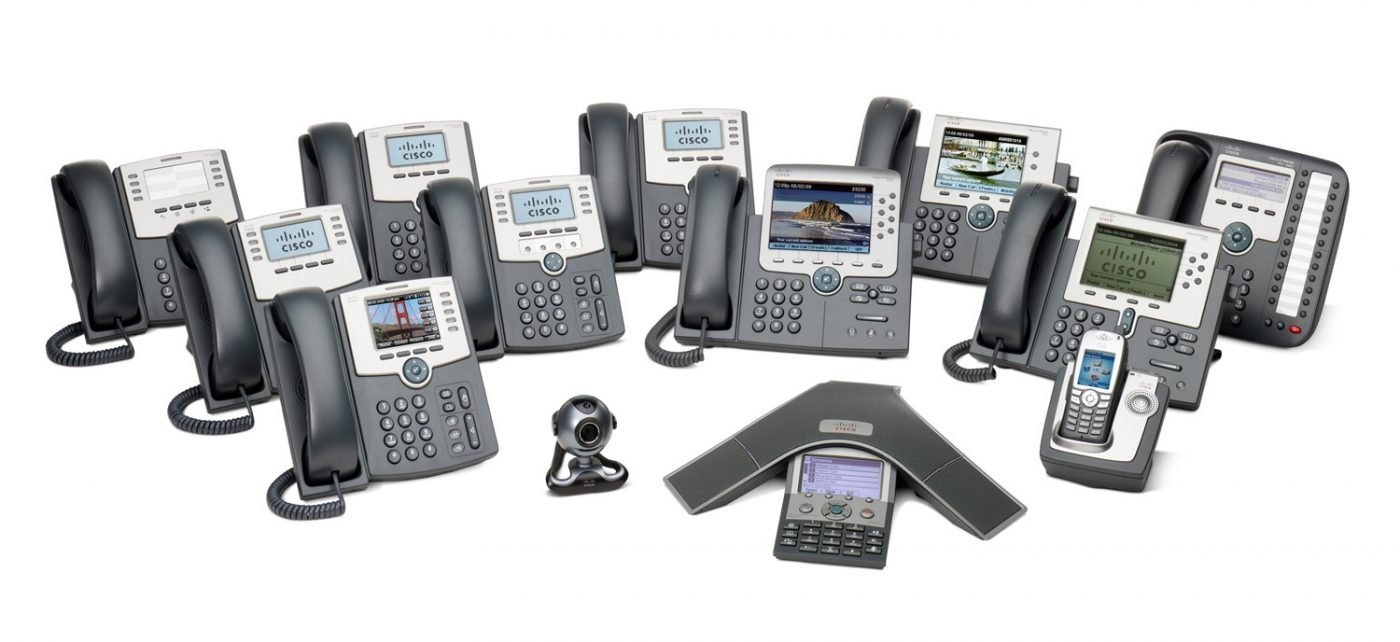
Wireless VoIP phones work exactly as their name suggests. They can connect to the network and make/receive VoIP calls without the need for a wired ethernet connection. In every other respect, these phones are similar to the standard VoIP phones you can see in any office. Wireless IP phones offer the features you come to expect […]
Category Archives: Telephony Solutions
FXS and FXO are the names of the ports used by analog phone lines (also known as POTS – Plain Old Telephone Service) or phones. The two ports are always paired together in order to make a call. FXS, Foreign Exchange Subscriber ,is a port that conveys the internal connection to office devices like analog […]
SIP trunking allows companies to use a telephone PBX for sending and receiving calls over the Internet instead of the standard Public Switched Telephone Network (PSTN). Installing SIP trunking modifies a Private Branch Exchange (PBX) box so it gains VoIP capabilities. However, SIP can handle more than just voice calls, including text messages, images, and video calls […]
Digital phones and IP phones are two of the most popular options right now for those that are considering upgrading their communication systems. While the two technologies have much in common, they have many significant differences as well. Let’s take a look at each of the options as well as their respective pros and cons […]
A VoIP Phone is a kind of telephone that uses IP technology to transmit calls. It can come either in the form of specialized digital hardware or a program (running on a computer or mobile device) that performs the same functions. With its microphone and receiver, a VoIP telephone takes the sound you generate and […]
Panasonic Telephony PBX vs PABX PBX stands for Private Branch Exchange, and PABX stands for Private Automatic Branch Exchange. The word ‘Automatic’ gives a hint as to how the two differ from each other. Basically, a PABX is a type of PBX that is simply automated. In it’s earliest days, a PBX was a room […]